
"المُستلَبون" لجانسو يلدران
cansu_1_ar.jpg
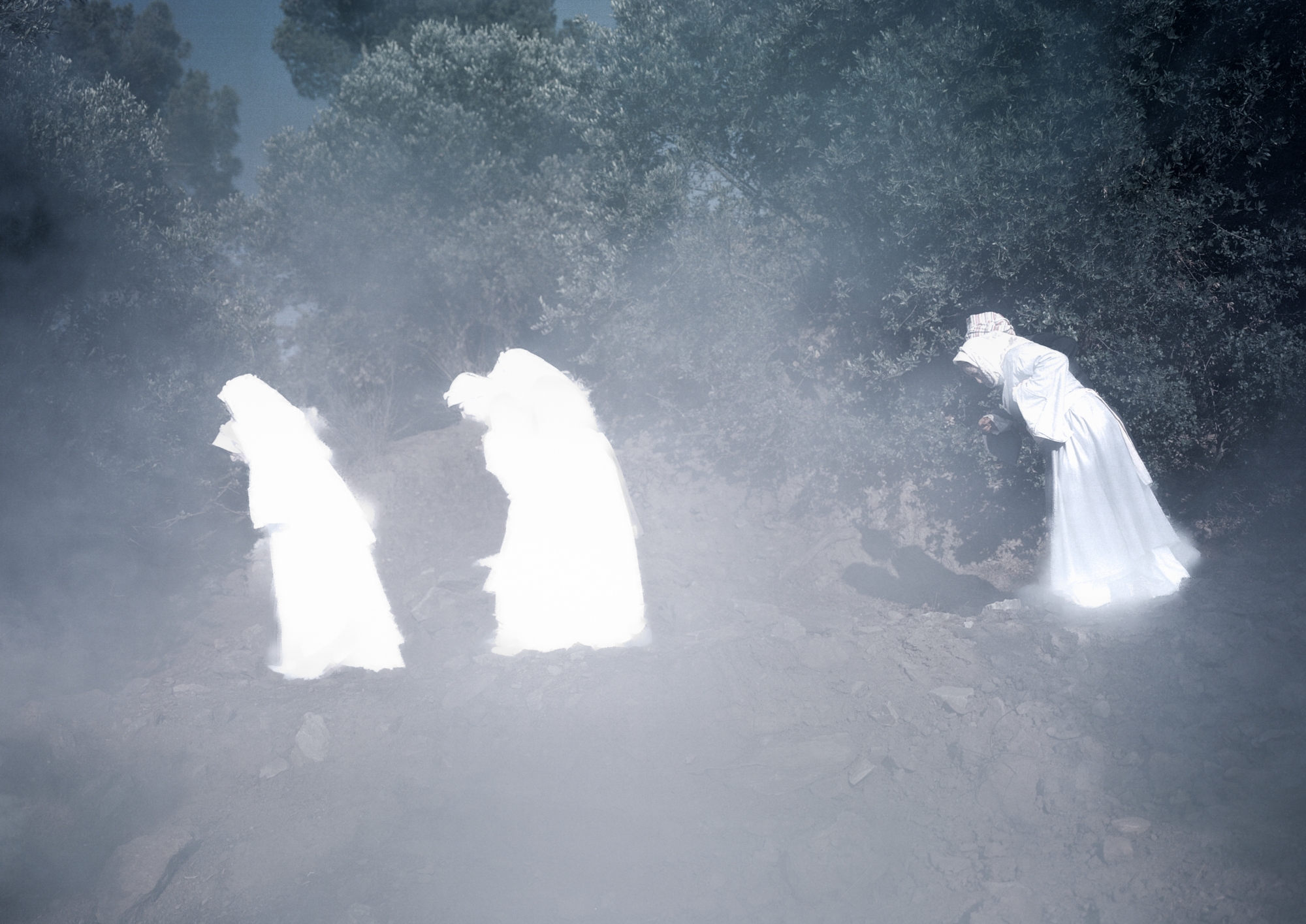
جميع الصور الواردة في هذا النص عُرضت في معرض "المُستلَبون"، وقد أُعيد نشرها بإذن جانسو يلدران ©
على طريقٍ ريفيٍّ خاوٍ، تقف امرأةٌ بثبات، ويشي موقفها بيقينٍ لا يتزعزع. وفي صورةٍ أخرى، مع هبوب الريح، يتطاير شعرها الأحمر الخفيف، يابسًا كأوراقٍ ذابلةٍ. عبر وادٍ غير مستوٍ، تتناثر أجسادٌ معزولة، مشلولةٌ بثقل العمل أو رتابة السأم، تائهةً بلا وجهة. أمّا في مشهدٍ آخر، فإلى جوارها تجلس امرأةٌ مطأطأة الرأس في مطبخٍ خافت الإضاءة، كأنّها هيئةٌ تنذر بشيءٍ غامضٍ ومقلق. تأتي هذه الصور من تشايكارا، الواقعة أسفل مرتفعات كوشمر في تركيا المطلّة على البحر الأسود، حيث وُلد/ت المصوّر/ة جانسو يلدران (Cansu Yıldıran) عام 1996، وقضوا العقد الأخير في توثيق المكان بعدستهم. تنضح هذه الصور بإحساسٍ غرائبيٍّ ثقيل، رهبةٍ خفيّة توحي بأنّ أمرًا فادحًا يوشك أن يقع – أو لعلّه يقع بالفعل، لو أنّنا استطعنا أن نُدرك كنهه.
ترى بيجوم أوزدن فرات (Begüm Özden Fırat) وعايشة يوكسيل (Ayça Yüksel) أنّ هذه الصور "تستحضر أجواء أفلام رعب الفولكلور، ذلك الضرب الذي يبدو الأشدّ ملاءمةً لزمننا الراهن"، وذلك في النصّ المرافق لسلسلة "المُستلَبون" (2024) للمصوّر/ة جانسو يلدران. فالوحوش هي الأبطال التقليديّة في سرديّات الرعب، غير أنّ حبكات هذا النوع لا تنشغل بإظهار الوحش بقدر ما تنشغل بتكثيف لغز ماهيّته: ما هو؟ من أين يأتي؟ وأين يقيم حدُّه بين المألوف والمستحيل؟ إنّ الوحوش، بما تحمله من غرابةٍ مقلقة، تحوم عند تخوم ما يجوز التفكير فيه وما يُسمح بقوله؛ تقف على العتبة بين المشروع والمحرَّم، بين المرئيّ والمسكوت عنه. وهي، في هذا الموقع الحدّي، لا تجسّد الخوف فحسب، بل تحتضن أيضًا إمكان الاختلاف ذاته – ذلك الإمكان الذي يوقظ الرغبة بقدر ما يستدعي الرهبة.
منذ سنوات مراهقتهم، أخذ جانسو يلدران يتتبّعون الإمكانات والمخاوف التي خلّفتها عقود الاضطراب السياسي في تركيا. غير أنّ عملهم لا يقتصر على أرشفة الاضطراب، بل يغوص أيضًا في أعماقِه الخفيّة. فأسلوبهم التوثيقيّ لا يكتفي بتسجيل آثار الاستبداد السياسي بمعناه المباشر، بل يسبر أثره في نفوسنا: كيف يشكّل طرق تفكيرنا؟ وكيف يوجّه عواطفنا؟ في صورهم من تجمعات الفخر، المحظورة منذ عام 2014، يتجلّى الصخب البصريّ كمشهد انفجار جماعي؛ صدورٌ عارية ترقص فوق السيارات، كأنّ الشارع يُجبَر على انعتاقٍ جماعي. وفي مشاهد أخرى، تشارك نساءٌ في منتصف العمر احتجاجات تشيراتبه، حيث سار آلاف المحتجّين عام 2015 اعتراضًا على مشاريع التعدين المزمع تنفيذها. ومن أشهر صوّر يلدران صورةً التُقطت خلال تظاهرة "يوم المرأة" في إسطنبول عام 2021؛ نرى فيها روكان وهيجار، ناشطَين كرديَّين كويريَّين، يتبادلان قبلةً أمام مرفأ كاديكوي الشتويّ. بعد الاحتجاج، اعتُقلا وفرضت عليهما الإقامة الجبريّة، ومُنعا من مغادرة البلاد. ثقلُ هذه الصورة ينبع من مَيَلان إطارها؛ كأنّ العالم بأسره يميل، فيما يظلّ هذان الجسدان وحدهما قائمَين وثابتَين. يلتقط يلدران حميميتهما بقدر ما تكشف القسوة التي تحيط بها؛ فليس هذان الشخصان مَن ينحرف، بل المدينة هي التي تبدو معوجّة.
التقيتُ بعمل يلدران لأول مرة منذ سنوات عديدة عبر أوزلم، زميلتي السابقة في السكن في إسطنبول، حيث عشت جزءًا كبيرًا من العقد الأخير من حياتي. كانت أوزلم جزءًا فاعلًا من المجتمع الكويري في المدينة، وموضوعًا لأعمال يلدران السابقة القائمة على التأمل الذاتي الإثنوغرافي، وقد شكّل إصرارها المتّصل على العيش وسط ألم وركود القمع السياسي جزءًا من تجربتي الخاصة. تلتقط صور يلدران هذا الإصرار، وتحمل صرخةً مكبوتة تتجلّى في كلّ تفصيل. ففي هذه الصور، يصبح موضوع السياسة ذاته محلّ السؤال: كيف يشعّ ويتردّد ويهتزّ؟ الشوارع مراقَبةٌ ومجروحة، والأجساد متوتّرة ومنهكة. غريزة يلدران أن تكون مع الإنسان في حزنه – أو في نشوته، أو اندفاعه، أو اغترابه. عدستهم تلتقط الغرابة والظلال التي تساور إسطنبول والبلاد الأوسع، لتكشف عن وجهٍ من الحياة يكاد لا يُرى في خضمّ القمع والرقابة.
الرهبة والاستلاب
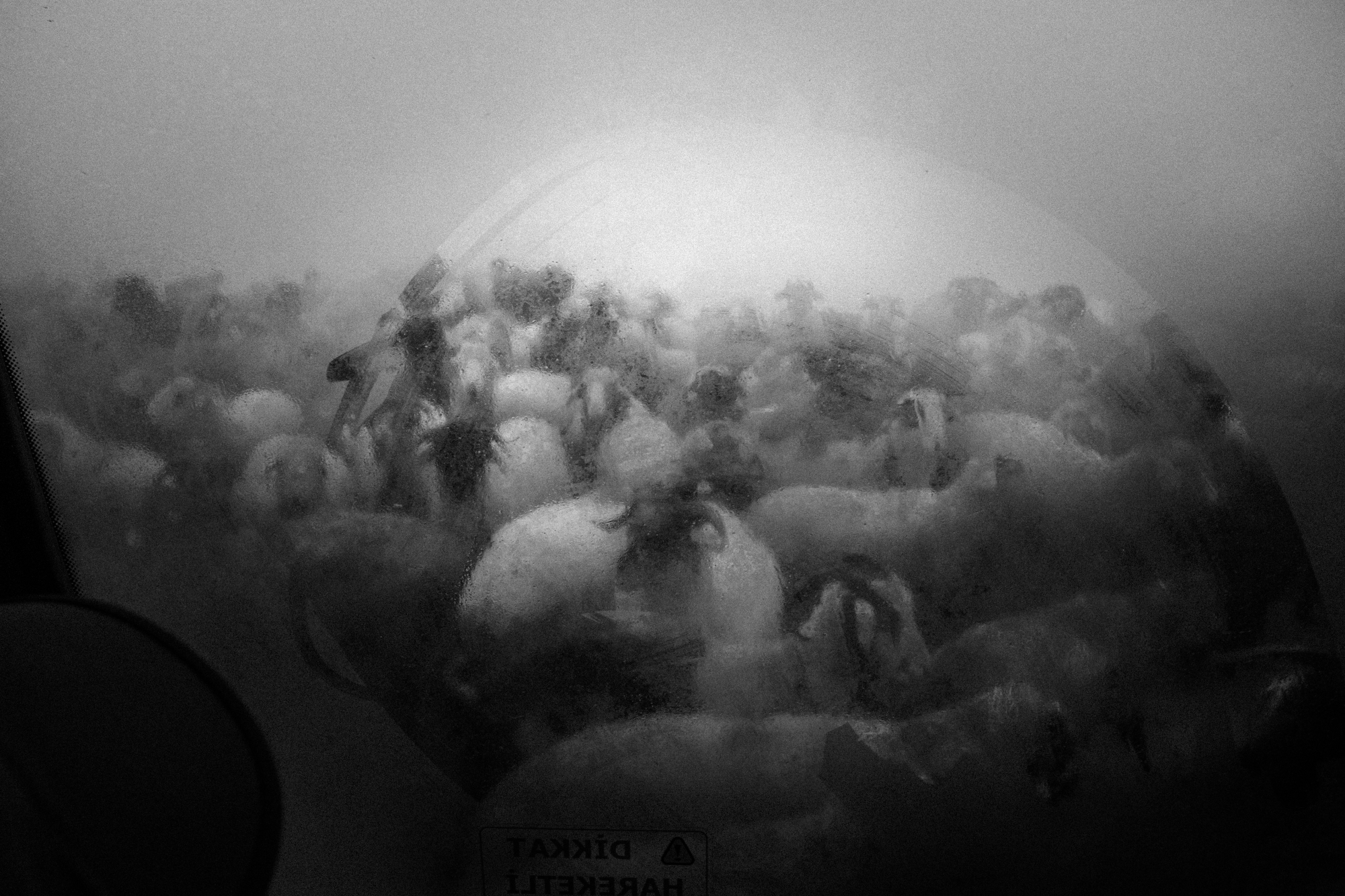
"المُستلَبون"، وهو العمل الذي يوثّق الحياة في تشايكارا، لا يكتفي باستحضار القلق الكامن، بل يدفع بالسؤال إلى أقصاه: أين يتوارى هذا الاستلاب تحديدًا؟ في تلك القرية، تُحرم النساء من حقّ امتلاك البيت أو الأرض؛ إذ تنحصر الملكيّة في الرجال، سندًا إلى أعرافٍ تاريخيّة متداخلة. بيوت القرية مسجَّلة باسم ثلاثمائةٍ وثلاثةٍ وسبعين أسرةً تقيم في قريةٍ أخرى تبعد كيلومترات، أمّا مُلّاك المرتفعات فهم جماعةٌ من الرجال دون سواهم. قد يُفهم هذا القلق بوصفه أثرًا مباشرًا لفعل السلب ذاته. غير أنّ يلدران، الذين يناهضون مبدأ الامتلاك من جذوره، لا يقفون عند كشف الحرمان، بل يتقصّون ما يتشكّل في أعقابه: أيُّ هيئةٍ تتّخذها الجماعة حين يُنتزع الحقّ؟ وأيُّ صلاتٍ تنبثق من فراغ الملكيّة؟ لا يظهر الجواب في صيغةٍ مكتملة؛ إنّه يلمع في أثرٍ خافت... هناك، في أعقاب الاستلاب، يتخلّق معنى آخر للجماعة.
أودّ هنا أن أتأمّل كيف تعيد هذه الآثار صياغة أسئلة الاستلاب، من خلال وضع البيت، لا الملكيّة، في مركز الاهتمام. فالرَّهبة الكامنة تُعدّ المحور الأساسي في هذه الصياغة الجديدة – بين التملّك والاستلاب؛ بين البيت بوصفه موقعًا للقهر والاضطهاد وبينه بوصفه فضاءً للتحرّر؛ وبين ما يُرى ويُفهم على أنّه مشروع وما يُستبعد. تعمل صور يلدران على تفكيك هذه التوتّرات، فتدعونا للتأمّل بعمق في الحميميّات التي تتوسّط الصراعات على الملكيّة، وفي الأشباح التي ترافقها.
يعيش سكّان تشايكارا في موقعٍ جغرافي محدّد، وفي الوقت نفسه في حالةٍ من الاغتراب الزمني والمكاني. وهذا أمرٌ حقيقيّ: فقد كانت تشايكارا موطنًا للجالية اليونانية المتحدثة باليونانية البونتيّة في النصف الأول من القرن العشرين، قبل أن تؤدي سياسات التهجير والتدخل الحكومي إلى تراجع هذه اللغة. وفي ستينيّات القرن الماضي، أعيدت تسمية جميع القرى رسميًا. كما أن الأمر ينطبق بشكل رمزي على التنقّلات القسرية المتكرّرة التي تحدّد حياة المرأة هنا – مضطرّةً لممارسة مشروع حياتها في الشقوق الفاصلة بين هياكل مختلفة من الاغتراب: الدولة، السوق، القانون، والنظام الأبوي. وفي بيانهم الذي تقدّم سلسلة "المُستلَبون"، كتب يلدران: "بصفتي ابنة امرأة لم يكن لها غرفة خاصّة بها في القرية التي تعود جذوري إليها… أدركت أنّ ما كنت أهرب منه لم يكن مجرّد مكان، بل نقطة من الانتماء والاغتراب، ضوء، وشيءٍ يحايل التعريف". وربما يكون هذا "الشيء" الغامض، الحاضر بعناد رغم كونه غير محدّد وغير مُعرّف، وفيه تكمن الغرابة.
الديار، تصير ديارًا
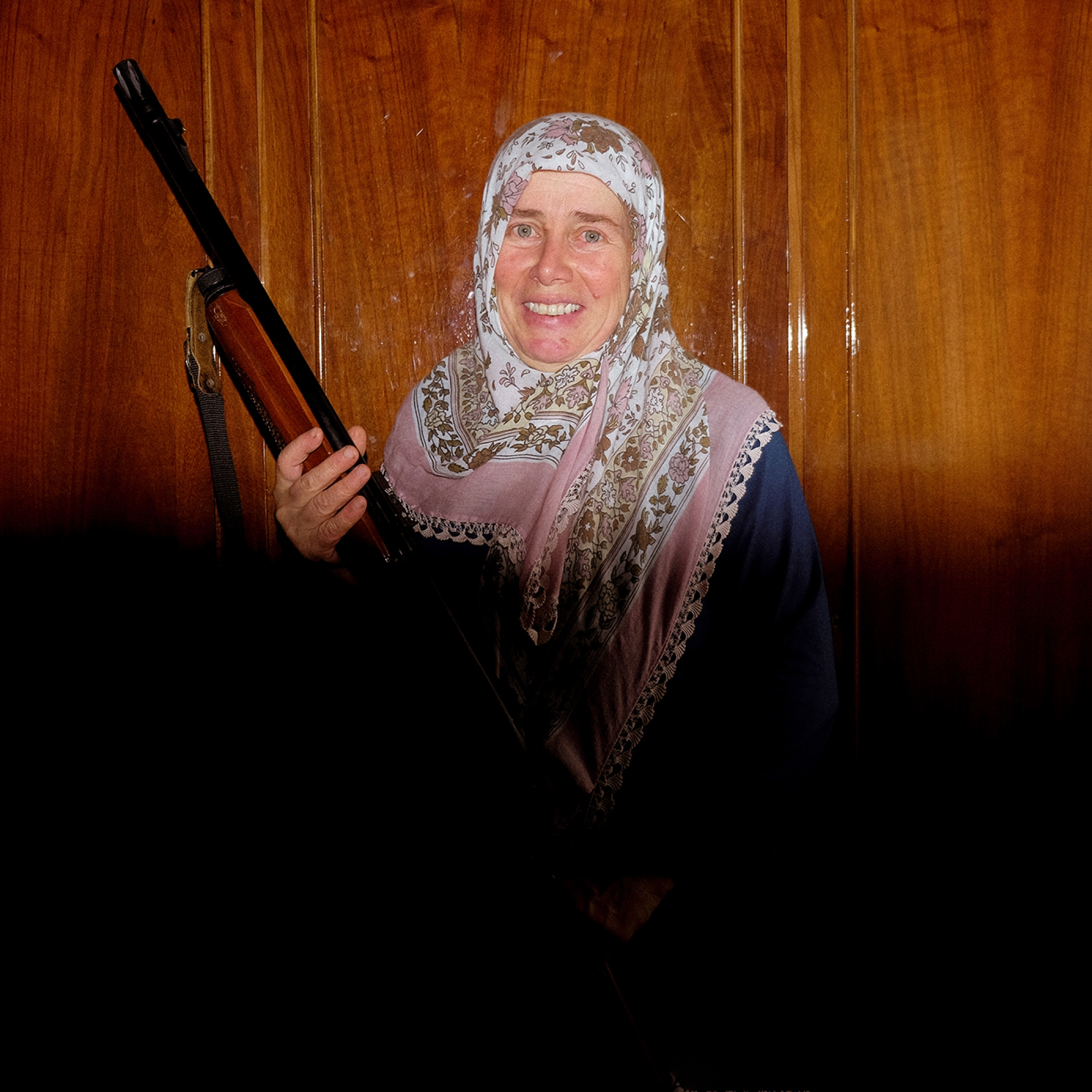
ينشأ القلق جزئيًا من الغموض المحيط بما تلتقطه الصور. هناك ترى عنفاً جسدياً صريحاً – إشارة طريقٍ مثقوبة بالرصاص، طائر ميت معلّق في الهواء، لقطات إخبارية للعنف العسكري على شاشة تلفاز مؤطرة بجماجم حيوانات. لكن ما تفلح به عدسة يلدرن هو التقاط هذا الزحف الخفي للعنف الاجتماعي. إمرأتان تمشيان على طريقٍ ترابي في الليل، مضاءتان بنور كاميرا يلدران المبهر. يبعث المشهد في عيني متتبعيه شعورًا مقلقًا، رغم خفّة خطواتهما وسهولة سيرهما. تعابير نساءٍ أخريات تتجمّد بين تكشيرٍ وتعجّب، وأحيانًا في لحظة هدوءٍ توحي بالسكينة. امرأةٌ واحدة، عمّة يلدران، تمسك بندقيةً بابتسامةٍ تكاد تقترب من الهوس الفرِح. شخصٌ متوشّح برداءٍ يشير بإصبعه نحو الظلام، كتحذيرٍ أو توضيح. تنفلش أحشاء الحياة بصيغة شعر الإنسان أو بقايا الحيوانات… أشياءَ تختلط على العشب، تركد وشاهدها عدسة مكشوفة لكلّ من حولها. هنا يقف واقع الوجود عارياً، رافضًا أحد أعلام الأبوية: الكمال، ذلك الزيف الذي يهيم به القوم.
تكتب مي طه (Mai Taha): "الدار دائمًا في طور التكوين، يُعاد تشكيله باستمرار مع كل هدم وكل نزوح" (2025:2). وفي سياق فلسطين، تصوّر طه الدار بوصفه موقعًا لـ"التكاثر الاجتماعي الثائر" – "في الوقت نفسه مسرح جريمة وفضاء ثوري؛ مكان للرقابة والدمار الاستعماري، وفي الوقت نفسه موقع أساسي للعمل وإعادة البناء" (نفس المصدر). يشمل البيت هذه التناقضات على شاكلة بنيةٍ دقيقةٍ للعلاقات والممارسات وأثر كل واحدة على الاخرى، حيث تتجلّى أشكال الإنتاج وإعادة الإنتاج والاستهلاك والعناية في شبكة متراصّة من النشاطات والروابط الاجتماعية. تلفت طه الانتباه إلى التفاصيل الدقيقة في فضاء البيت اليومي، كاشفةً كيف تتشابك فيه مظاهر الاستلاب والرَّهبة الكامنة، وكيف يصبح المألوف مسرحًا لتأمّلٍ أعمق على خشبة الحياة المنزلية.
يمكن للمرء أيضًا أن يتخيّل التفاصيل الدقيقة بوصفها فضاءً للحرية والإمكان، حيث "يمكن أن تُعرف الأشياء وتُرى بشكل مختلف" (سلمي 2023:73). إن القدرة على "معرفة الأشياء ورؤيتها بشكل مختلف" هنا تعني إعادة صياغة معنى الدار ضمن حَشا التاريخ والسياسة" (طه 2025:6).
كتبت طه عن الثورة الفلسطينية بين 1936 و1939 ضد الانتداب البريطاني، وأعادت صياغة العلاقة بين الثورة والمطبخ وغرفة النوم وغرفة المعيشة. جعلت الدار نفسه موقعًا يجعل الثورة ممكنة، و"فضاء يمكننا من خلاله إعادة التفكير في الاختلاف التاريخي بطريقة جدلية" (2025:16). يطرح يلدران هذه الأسئلة نفسها عبر ممارسات الانتماء الجماعي، ويدرسون العلاقات التي تنشأ داخل الدار وخارجه، وفي صيغ تملّك الملكية نفسها. ترتبط مسألة التملّك في تشايكارا بالمشروع الإثنوي-الوطني الذي يسوّس هياكل ملكية السكان غير المسلمين، ويتحكّم بأساليب الحوكمة الأبوية. تقع الشخصيات النسائية في سلسلة "المُستلَبون" عند تقاطع دوائر العنف المتداخلة تلك.
عندما تمسي حواف الاستلاب دياراً للأشباح
تتّسم صور "المُستلَبون" بحضورٍ ماديٍ حادّ. فالملكية التي تُحرم النساء منها تتجسّد في خشب السقف المتشقّق وورق الحائط المتقشّر. هناك الحميمية اليومية للأدوات المنزلية، والمساكن الخيالية للحيوانات ذات النظرات الساخرة، والعادات الدينية الرقيقة. جسد امرأةٍ تصلّي، مزخرف بنقوش الأزهار، يضيع بين أقمشة مماثلة خارج بيتها، وكأنّ البيت نفسه يبتلعها ببطء، محتفظًا بسلطته المستلبة عليها. لكن الزمن هنا ينساب بطريقة مختلفة. أشباح الماضي، في صورٍ باهتة بالأبيض والأسود، تطارد الحاضر – إذا كان ما نعيشه حاضرًا بالفعل، إذ لا علامات زمنية واضحة تثبت الأرضية. تختبئ الأشباح في المساحات المجهولة، وتستفزّ النساء، بما في ذلك عمّتها ووالدتها، حدودها الطيفية: حدود الأبويّة، وحدود محاولة تمثيلهن البصري. تنحني أجسادهن، وتتشابه أشكالها أحيانًا مع الحيوانات الراعية على الأرض. يجتمعن في الضحك المتشابك، ويعتنين بالحرائق والحقول، متقيّدات ومتوعّدات. ثلاث أقدام معوّجة ترتكز على بطانية، تكاد تكون مشوّهة.
مفرطةُ الانكشاف، خافتةُ الانكشاف، مزدوجتُه. تتخلّل هذه المجموعة صورٌ كان يمكن، في سياقٍ آخر، أن تُستبعد لارتباك بؤرتها أو لذبذبة ملامحها. غير أنّ هذا الارتباك نفسه يتجلّى هنا خيارًا جماليًا واعيًا، كأنّ أكثر من عينٍ فنّيةٍ قد اقتربت من الموضوع، وكلّ عينٍ تنهض بطريقتها في التوثيق، فتُموضع وتستجوب وتمثّل العالم الاجتماعي–السياسي الذي يتكشّف لها في "الأشياء المتواضعة، الأليفة، اليومية" (لوفيفر 2014:132). ينبثق عن ذلك أحيانًا مشهدٌ يلامس الهذيان: تباينُ الإطارات، واختلالُ الزوايا، وتراكبُ المناظير التي قد تتقاطع عرضًا، ولكنها غالبًا ما تعصى على الانتظام. ومع ذلك، فكثيرًا ما يسطع ضوءٌ صافٍ؛ إشراقٌ يوحي بمحاولة رأب ما يتنافر من ميولٍ وتوجّهات، من غير أن تُلغى حدّتها أو يُطمس اختلافها. نواجه لا سطورَ الحياة في وضح النهار وحدها، بل ما يتكسّرُ عند حوافِّها من ظلالٍ مسنَّنةٍ، تراوغ القبض عليها وتنسحب كلّما خُيِّل إلينا أننا أحطنا بها؛ هناك، عند التخوم، يضطرب المرئيّ ويغدو الوحشيّ لا سؤال خوف بل لعب… وعليه يُعاد النظر في ما يُعتدُّ به مشروعًا ومفهومًا.
في مجموعته من المقالات عن "الغريب والعجيب"، يتقصّى مارك فيشر (Mark Fisher) هذا التوتّر القائم بين ما يُرى ويُفهَم بوصفه مشروعًا ومألوفًا، ويبيّن أن "الرَّهبة الكامنة" تنطوي على انفصالٍ عن تعلّقاتنا الراهنة، وانزياحٍ عمّا ألفناه من روابط ومعانٍ، كأنها تدعونا إلى خلخلة الأُطُر التي ألفناها.
يمنحنا منظور الرهبة الكامنة منفذًا إلى القوى التي تحكم الواقع اليومي وتدبّره، لكنّها تظلّ في العادة محجوبةً عن النظر؛ كما يتيح لنا أن نلامس تخومًا تتجاوز هذا الواقع المألوف برمّته. وفي هذا الانفلات من عقال اليومي، وفي هذا الإفلات من قيود ما نعدّه واقعًا بداهةً، يكمن بعضُ سرِّ الجاذبية الغريبة التي تنطوي عليها الرهبة الكامنة. (فيشر 2016:13)
يرى مارك فيشر أنّ الرهبة الكامنة، والغرائبي، والعجيب، والغريب، جميعها تشير إلى ما يتجاوز أنماط الإدراك والتفكير "المعيارية". ويتتبّع الصلة الوثيقة بين اللفظة الإنجليزية haunt ونظيرتها الألمانية unheimlich ليكشف ازدواجيتهما الدلالية. فـ"الأليف" أو "البيتيّ" ينقلب إلى "لا-أليف" أو "لا-بيتيّ"، حيث تدلّ haunt في آنٍ واحد على موضع السكن والمشهد المنزلي، وعلى ما يطرأ عليه ويُقلقه ويُربك سكينته (2014:125). بهذا المعنى، يتداخل المألوف والمُقلق تداخلًا عضويًا… كلٌّ منهما شرطُ إمكان الآخر. فالمألوف ينطوي في أحشائه على بذرة الغرابة، والغريب لا يظهر إلا على خلفية أُلفةٍ سابقة. ويقترح جاري وايلدر (Gary Wilder) أنّ هذا التعالق "يُضيء الكيفية التي قد تبدو بها ذواتٌ أخرى، وأمكنةٌ منفصلة، وأزمنةٌ مغايرة، عناصرَ مندمجةً أصلًا في جماعةٍ ما، أو إقليمٍ ما، أو حقبةٍ بعينها" (2022:25). الأهمية إذن، هي الجدليّة القائمة بينهما: بين المعروف والمختلّ/ف.
هنيهةُ التمرّد في اسطنبول
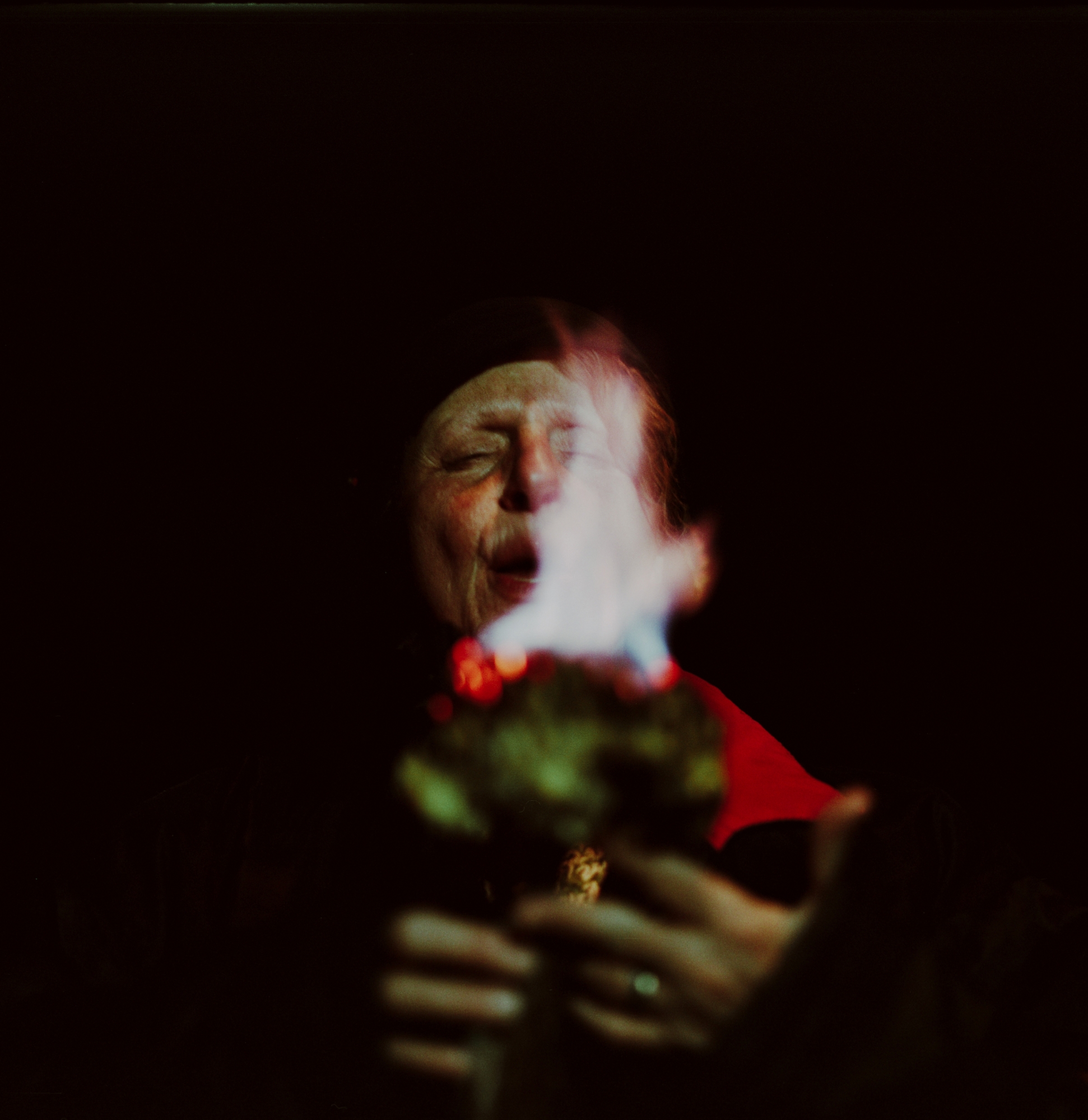
تمثّل محفظة أعمال يلدران الواسعة سجلّاً مستمرًا لما يظلّ هاربًا من قبض المجتمع التركي المعاصر، حيث تكافح الروايات والمكانات المهمَّشة لتجد صوتها وتُسمَع. يغمر فنّهم عالمًا يفيض بالتهديد، والغموض، والإغواء، وتتدفّق الحسّية فيه بلا كبحٍ أو قيود؛ فقد أُغلق حساب يلدران على "إنستغرام"1 مؤقتًا عام 2022 بسبب تصويرهم للجسد العاري. تتعرّض جميع طبقات المجتمع في البلاد لأشكال من النهب والاستلاب، وإن كانت مظاهرها لا تبدو دائمًا للعيان. ويقف المجتمع الكويري في قلب هذه الضغوط، يواجه هجمات سياسية متواصلة ومتزايدة. ففي الشهر الماضي، تسرّبت إلى وسائل الإعلام مسودة تعديلٍ قانوني حكومي يقترح تجريم أفراد هذا المجتمع تحت بند "الأفعال الفاحشة" التي تُعدّ "مخالفة للطبيعة البيولوجية والأخلاق العامة" (هيومن رايتس ووتش 2025). تلتقط عدسة يلدران مستودعًا من الرغبة والألم والتحدّي، طيفًا غامضًا يربك أحيانًا الخط الفاصل بين الحنين والخوف.
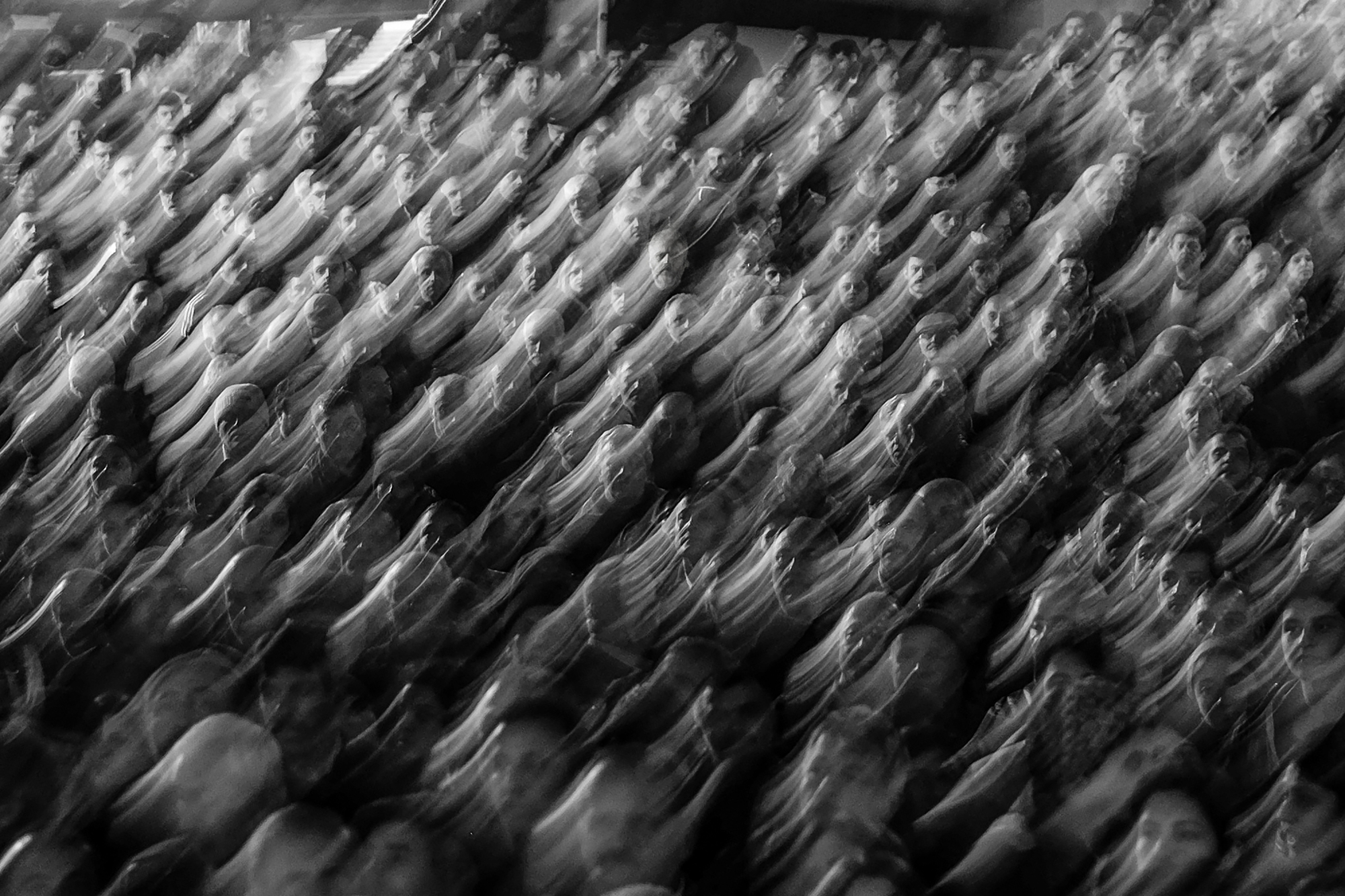
تفيض الصور بصخبٍ يملأ العقل، حتى في صمت الغرفة الأكثر خلوًّا. نرى احتجاجات تشبه الكرنفالات، شبحها ممتدّ في ضباب الحركة؛ ورجال الإطفاء المدنيون وهم يحاربون حرائق غابات موغلا، خراطيمهم تتلوّى كأفاعٍ في دوائر لا تنتهي؛ وركام المنازل المهدّمة بعد زلزال 2023، صمتها يصرخ بغياب الأهل والأحلام؛ واحتفالات الفخر، التي تتفجّر فرحًا، طاقة محسوسة تكاد تهتف بصوتها، تصرخ في المكان. الغرائبية والفن الهابط تتعايش جنبًا إلى جنب مع الغربة والوحدة، في عقدة من المحاكيات والشبحيات والنزوح، حيث لا مركز يسيطر، بل حركة فائضة تشوّش الحواس. ومع ذلك، تنسلّ أحيانًا لمحات رقّةٍ لا تُحتمل وسط الجسد والفوضى، هشّة، كعناقٍ مكسور، أو قبلة مسروقة من الزمن. كما قال رولان بارت (Roland Barthes): "الرقّة هي تبلور معجزي للحضور… حيث تكون رقيقًا، تتحدّث بصيغة الجمع" (1978:225).
يُضاف إلى الشعر هنا بُعدٌ أخلاقيّ أيضًا. نُلقى أمام هذه التضاريس المربِكة بلا تفسير، بلا توقّع، وبلا ذرّة من شفقة؛ كأنّنا نقف على حافّةِ تصدّعٍ دائم، لم يتجسّد تمامًا، لكنه يظلّ يطارد أطراف إدراكنا بلا كلل. تُنشئ العناصر الكرنفالية مسافةً بين الحياة الداخلية للفرد وبين الحياة التي يُنتظر منه أن يحياها داخل هرميات المدينة، الرمزية منها والواقعية، المعلنة والخفيّة. وكما في كرنفالات إنجلترا في أوائل العصور الوسطى، حيث كان الناس يمارسون شتّى أشكال العصيان المجتمعي المؤقت كارتداء الاقنعة والأزياء الهجينة، والتقمّص، كلّها بمثابة أفعاٍل ساعيةٍ لتعليق النظام القائم وإرباك بداهته ولو هنيهة. وفي عدسة يلدران أو بكلمات أخرى من منظورهم، تتكرّر هذه الأقنعة؛ تتشابك الاضطرابات والسخرية مع حضور مشارك للشرطة وإدارة المدينة، هكذا يترك العنف أثره، مرئيًا وشبحًا في آن، خيطًا متوترًا بين الملموس والغائب. ويذكّرنا ميخائيل باختين (Mikhail Bakhtin)، في دراسته الشهيرة عن الكرنفالية، بالإمكان السياسي الكامن في انقلاب الأدوار: إذ تتحوّل البُنى المتحجّرة للحياة اليومية إلى مسرحٍ مؤقّت للتحرّر:
كان العيدُ تعليقًا مؤقّتًا للانتظام الهيمن، بكلّ محظوراته وحواجزه الهرمية. ولبرهةٍ قصيرة، خرجت الحياة من أخاديدها المألوفة، المقنَّنة والمكرَّسة، ودخلت حيّز حريةٍ طوباوية. وزادت قِصَرُ هذه الحرية من طابعها العجائبيّ، ومن راديكاليتها الحالمة، إذ وُلدت في مناخٍ احتفاليٍّ مشبعٍ بالمشهديات، حيث تنفلت الوقائع من ثقلها، وتغدو الإمكانات أكثر سطوعًا من القيود التي تطوّقها. (1984:89)
أن نكون مُستلَبين
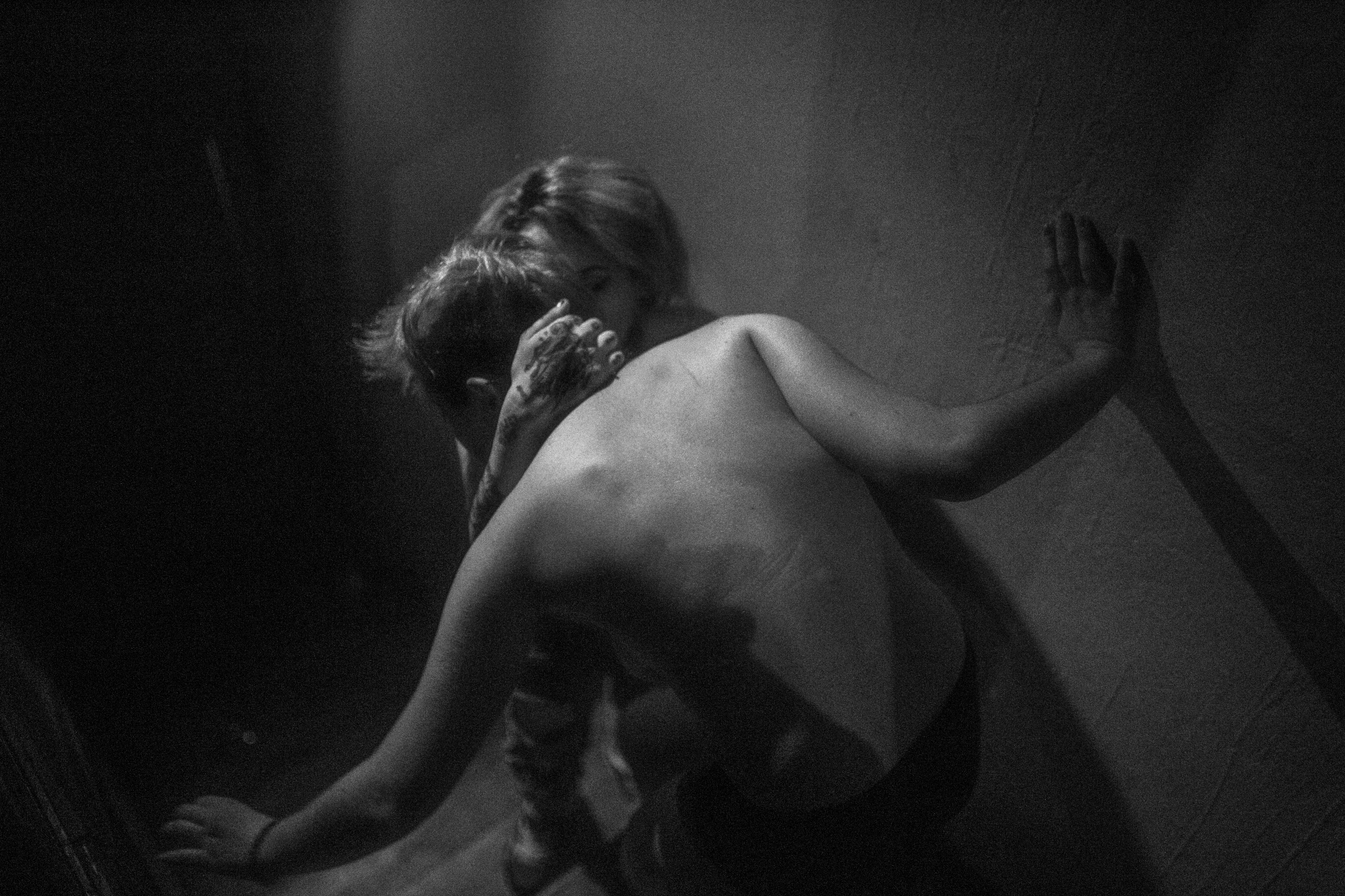
لا تنحصر صور يلدران في توثيقٍ ساذجٍ لـ"حريةٍ طوباوية"، إذ تتخلّلها أشكالٌ متراكبة من الهيمنة: هويات قومية جامدة وذكوريةٌ راسخة، واغترابٌ مقيم، ودولةٌ تبسط ظلّها الثقيل. لكنّها، في الآن ذاته، تزعزع الحدود التي تبدو بديهيةً بين العنف والمقاومة، والحرية والاغتراب، والحاضر والماضي، بين "نحن" و"هم". تنهض الغرابة هنا من جديد، لا بوصفها قطيعةً مع المألوف، بل بوصفها تشابكًا حميمًا… حيث يتسرّب أحدهما إلى الآخر حتى يتعذّر الفصل بينهما. وتغدو الصور مساءلةً مفتوحة: ما الذي يُسلَب حقًا؟ وما الذي يُمتلَك؟ وأيّ امتلاكٍ هذا الذي يقوم على الاستبعاد؟ لعلّ الأمر، كما في مشارع الحنان، يقتضي تقدير ما يفلت من قبضة التملّك المطلق، وما لا يُختزَل إلى ملكيةٍ صافية. في هذا الأفق يستكشف أثينا أثاناسيو (Athena Athanasiou) وجوديث بتلر (Judith Butler) القيمةَ المزدوجة لفعل التجريد: كيف يمكن أن يكون الاستلاب أداةَ قهرٍ، وفي الوقت نفسه شرطًا لإمكانٍ آخر.
بادئ ذي بدء، يتعيّن علينا أن نُفكّر في الاستلاب خارج منطق التملّك ذاته، وأن نضع موضع المساءلة الحسابَ الإقصائي الذي تقوم عليه نزعةُ الملكيّة في صيغ السلطة الليبرالية. ثمّ يتعيّن علينا، في خطوةٍ ثانية، أن نبيّن لماذا يكتسب هذا المنعطف التأمّلي دلالةً سياسيةً حاسمة: كيف يمكن لإعادة النظر في بداهة "الامتلاك" أن تزعزع الأسس التي يُبنى عليها الإقصاء، وأن تفتح أفقًا لتخيّلٍ مغايرٍ للعلاقة والوجود المشترك. (2013:13)
أن نكون "مُستلَبين"، كما يذكّرنا أثاناسيو وبتلر، لا يعني فحسب أن نُحرَم من ملْكٍ أو حقّ، بل أن يُستثار فينا إحساسٌ بالذات لا بوصفها كيانًا منغلقًا ومكتفيًا، بل بوصفها كينونةً اجتماعيةً متشابكةً مع غيرها، قائمةً على الاعتماد المتبادل. فالاستلاب، في هذا المعنى، قد يكون فعلَ زعزعةٍ خلّاقة، يهزّ حدود الأنا ويعيد تشكيلها.
نُستلَب من أنفسنا حين تقضّ مضاجعنا مواجهة الأخر، حين تفاجئنا أو تُربكنا… إذ تكشف هذه التجربة أحد ينابيع طبيعة العلاقات: لسنا ذواتًا تتحرّك من داخلها فحسب، بل نحن متحرّكون بما هو خارجنا، بالآخرين، وكذلك بذلك "الخارج" الذي يقيم فينا نحن أنفسنا. (2013:11-12)
يعالج يلدران هذا التوتّر ولا يخفونه. ينسجون صورهم طيفًا متشابكًا من العواطف، يطرح سؤالًا دقيقًا: ماذا يعني أن يُستلَب المرء من نفسه بفعل الإزاحات التي يُحدِثها الحزن، والحبّ، والغضب، والخوف؟ وكيف تنسج هذه الانفعالات – على غموض مسالكها – خيوط اتصالٍ بيننا وبين آخرين؟ يتبدّى ذلك حتى في الصور التي تبدو، للوهلة الأولى، مشاهدَ اغترابٍ حضريّ. غير أنّ آثارًا سياسية لحيواتٍ بشرية أخرى تترك علامتها المُلحّة: عَلَمُ مسيرةٍ احتجاجية، كتاباتٌ على الجدار، منشوراتُ حفلاتٍ ممزّقة، امرأةٌ تجلس إلى جوار كرسيٍّ فارغ. تختزن هذه التفاصيل ذاكرة أفعالٍ بشرية مضت، لكنها لا تزال تُصِرّ على حضورها اليوم. تقترح هذه الصور مشهدًا مدينيًا مشدودًا على نحوٍ لا فكاك منه إلى هوامشه؛ مدينةً ليست كتلةً صمّاء، بل تضاريسَ متعدّدة الطبقات، تتخطّى فيها المراكز طبيعتها وكذا الأطراف، ويتجاوب فيها المألوف مع الغريب، في انكشافٍ دائمٍ لما يُستلَب وما يظلّ يقاوم الاستلاب.
بين الملكية والاستملاك
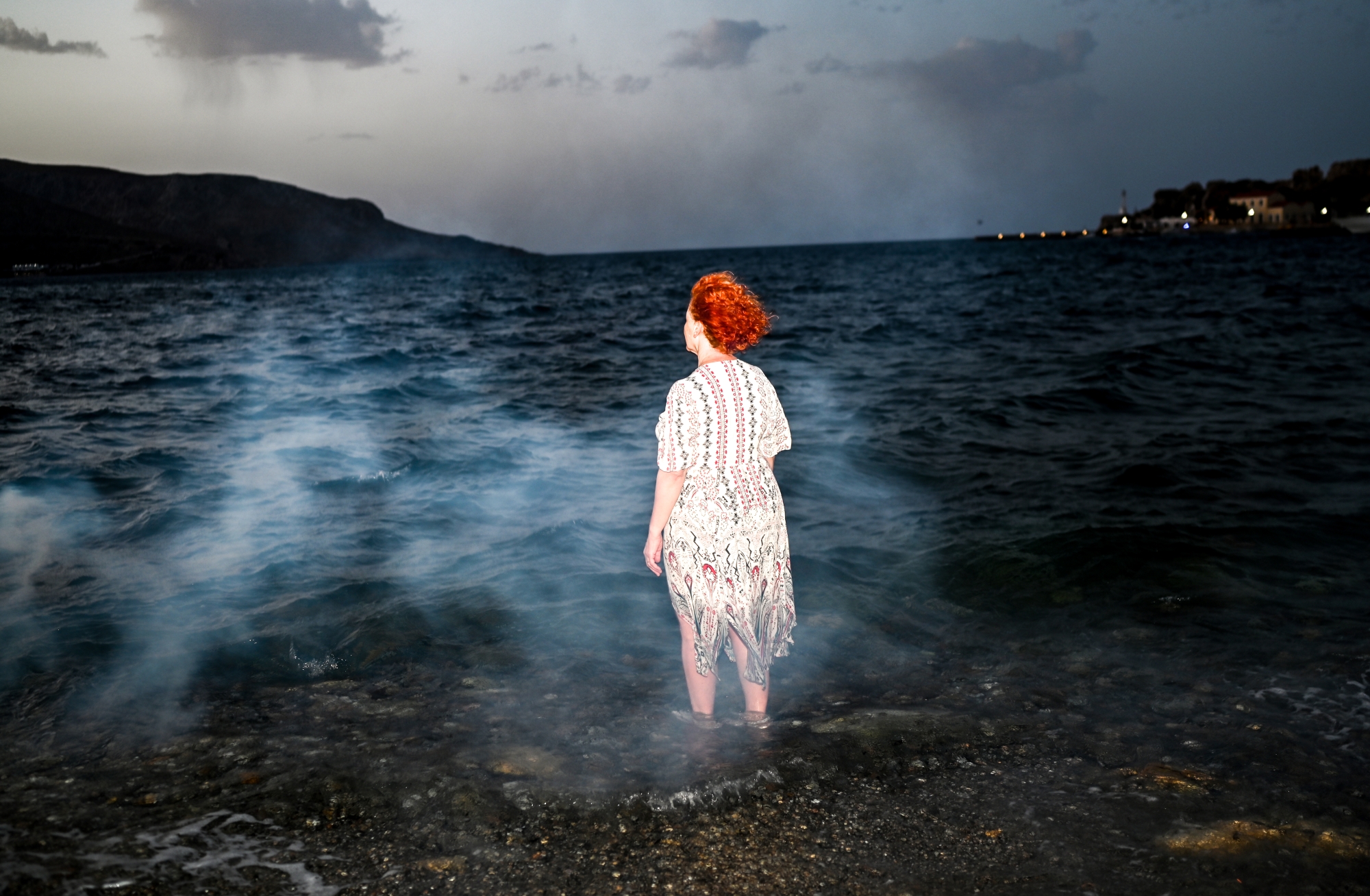
إذا كان عمل "المُستلَبون" ينطلق من حرمان نساء تشايكارا من حقّ الملكية والأرض، فإنّ يلدران يوسّعون الأفق، فيدعوننا إلى التفكير في الاستلاب على نحوٍ أرحب: بوصفه تجريدًا قسريًا من الحقّ، ومن سبل العيش، ومن الرغبة، ومن أنماط الانتماء، تُنتجه تعدّيات الرأسمالية وتواطؤات البطريركية. تضرب هذه الأشكال من الاستلاب في صميم الممارسات المتشابكة التي تُعاش بها الحياة، فتنتقص من حيويتها الخالصة، ومن غرابتها الأصيلة، ذاتها. غير أنّ نقيض الاستلاب، كما توحي الصور، ليس الامتلاك – ولا سيّما ذاك التملّك الفردي المنغلق. إنّه يتراءى في الأجساد المنحنية، الملتوية، شبه الغرائبية؛ في لحظات التجمّع الجماعي؛ في العزلة الهادئة والتأمّل؛ في مؤانسة الطبيعة؛ وفي الإصرار الهشّ على أنّ ثمة شيئًا آخر يخيّم على الحاضر ولا ينفكّ يطارده. تنبثق هذه الحيوية عنادًا، عصيّة على التوقّع، ملتبسة في رَهبتها الكامنة، مربكة، متفلّتة من القبض التام. ففي عالمٍ موسومٍ بالغرابة، لا تقوم الوقائع عاريةً، بل تتخلّلها ظلالُ احتمالاتها: تواريخُ مطموسة، وهويّاتٌ مُنكَرة. وهناك، عبر الفوارق التي تبدو بديهيةً، تنعقد اصطفافاتٌ عابرةٌ للحدود المرسومة سلفًا. تعايش المألوف والغريب وكأن كلًّا منهما شرطُ إمكان الآخر.
تتشبّع شخوص يلدران بقوّةٍ كامنة تخصّهم وحدهم؛ يلاعبون الظلال أحيانًا، لكنّهم لا يذوبون فيها. وحين يسلّطون عليهم ومضةُ عدستهم، لا ينكشفون بوصفهم أطيافًا عابرة، بل يُستدعون إلى حضورٍ لا رجعة عنه، كأنّ الضوء لا يفضحهم بقدر ما يُثبّت كينونتهم. إنّهم ظلالٌ تستفيق، لا ظلالٌ تتوارى خارج الوجود. لعلّ الغرابة تشير هنا إلى ما كان ينبغي أن يظلّ محجوبًا، فإذا به يُستخرج إلى العلن. غير أنّ الإظهار لا يعني التعرّي القاسي، بل إعادة ترتيب العلاقة بين الرؤية والواقع. وكما يذكّرنا إيتالو كالفينو (Italo Calvino)، فإنّ الخفّة لا تعني الانفصال عن الواقع، بل تخليصه من ثقله؛ النظر إليه مائلًا، لكن بعمقٍ لا يقلّ نفاذًا (1988). بهذا المعنى تكشف أعمال يلدران عن الإمكان الذي لمّح إليه إيمي سيزير (Aimé Césaire) حين كتب: "إنّ الصورة تتجاوز دومًا ما يُدرَك، لأنّ جدليّة الصورة تتخطّى الثنائيات المتقابلة" (1990:iii). فالصورة هنا لا تعكس الواقع فحسب، بل تخلخله؛ لا تُثبّت المعنى، بل تدفعه إلى ما وراء حدوده، حيث يتجاور المألوف والغريب، وينكشف الاستلاب لا كقدرٍ محتوم، بل كأفقٍ قابلٍ لإعادة التخيّل.
Athanasiou, Athena and Judith Butler. Dispossession: The Performative in the Political. Cambridge: Polity Books, 2013.
Bakhtin, Mikhail. Rabelais and His World, trans. Helene Iswolsky. Bloomington: Indiana University Press, 1984.
Barthes, Roland A Lover’s Discourse: Fragments, trans. Richard Howard. New York: Hill and Wang, 1978.
Calvino, Italo. Six Memos for the Next Millennium, trans. Patrick Creagh. Cambridge: Harvard University Press, 1988.
Césaire, Aimé. “Poetry and Knowledge.” Lyric and Dramatic Poetry, 1946–1982. Charlottesville: University of Virginia Press, 1990.
Fisher, Mark. Ghosts of My Life: Writings on Depression, Hauntology and Lost Futures. London: Zer0 Books, 2014.
Fisher, Mark. The Weird and the Eerie. London: Repeater Books, 2016.
Human Rights Watch. “Türkiye: Draft Law Threatens LGBT People with Prison: Government Should Drop Proposals Immediately.” Human Rights Watch, 29 October 2025. https://www.hrw.org/news/2025/10/29/turkiye-draft-law-threatens-lgbt-people-with-prison.
Lefebvre, Henri. Critique of Everyday Life: The One-Volume Edition. London: Verso Books, 2014.
Özden Fırat, Begüm and Ayça Yüksel. The Dispossessed Will Find a New Way to Settle. Hara Istanbul, 2024.
Silmi, Amirah. “Voice and Silence in Assia Djebar and Adania Shibli.” Critical Times, vol. 6, no. 1, (2023): 58–84.
Taha, Mai. “Insurgent Social Reproduction: The Home, the Barricade and Women’s Work in the 1936 Palestinian Revolution.” Theory, Culture & Society, (2025):1–20.
Wilder, Gary. Concrete Utopianism: The Politics of Temporality and Solidarity. 1st ed. New York: Fordham University Press, 2022.